A hole (perforation) in the ear drum causes ear discharge and hearing loss. Endoscopic myringoplasty closes the perforation using a graft, restoring a sealed ear, stopping repeated infections and often improving hearing.
Ear Surgery
Endoscopic Myringoplasty
Ear drum repair performed through the ear canal with an endoscope — often without any cut behind the ear.
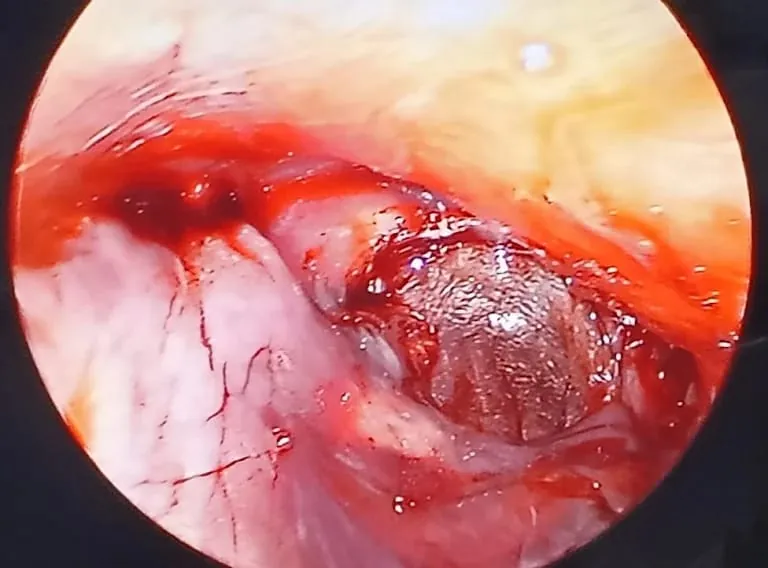
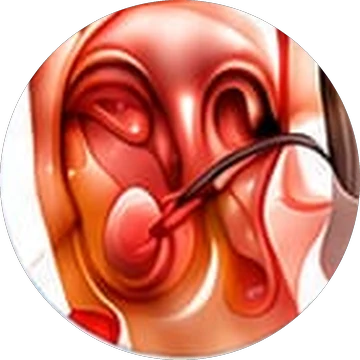
About Endoscopic Myringoplasty
AnaesthesiaGeneral or local
Duration45 – 75 minutes
Hospital staySame day or 1 night
Back to routine1 – 2 weeks
When is it recommended?
- Ear discharge that keeps coming back
- Hole in the ear drum
- Reduced hearing
- Water entry causing infection
How the procedure is done
- 1
Dry ear first
Ear discharge is treated with medicines so the ear is dry before surgery; a hearing test is done.
- 2
Through the ear canal
The endoscope gives a clear view of the whole ear drum through the canal, often avoiding a cut behind the ear.
- 3
Graft placement
A thin graft of the patient's own tissue is placed to close the hole in the ear drum.
- 4
Ear dressing
A small dressing is placed in the canal and removed at follow-up.
Benefits
Usually no cut behind the ear
Stops repeated ear discharge
Hearing often improves
Ear can be protected from water infections
Recovery & aftercare
Keep the ear dry and avoid blowing the nose forcefully for 4–6 weeks. Mild ear fullness is normal. The graft is checked at follow-up visits; a hearing test is repeated after healing.
Related conditions
Frequently asked questions
Closing the perforation often improves hearing. The final result depends on the condition of the middle ear bones, which is checked before surgery.
Only after the ear has healed completely and the doctor confirms it — usually after 6–8 weeks.
This page is for general patient information and does not replace a medical consultation. The right treatment depends on your examination and test results.
Struggling with an ear, nose or throat problem?
Get an expert opinion from an ENT surgeon trained in endoscopic, microscopic and coblation techniques.
